
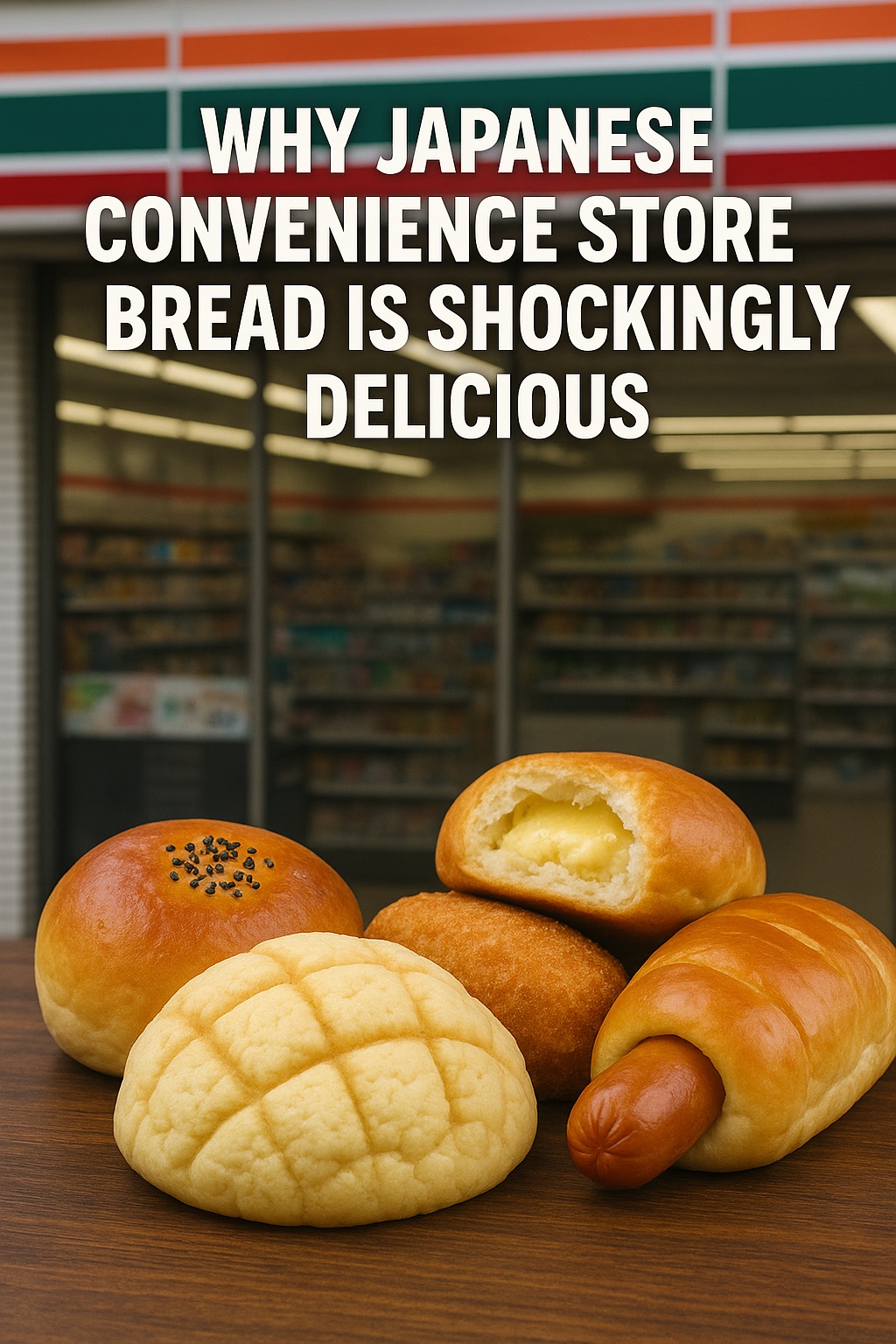
A Real-Life Look at Why It’s So Good
If you’ve never been to Japan, this might surprise you:
Bread from Japanese convenience stores isn’t just “okay.”
It’s genuinely delicious.
Not good “for convenience store food.”
Just good — period.
After living in Japan for decades, I still occasionally open a package of convenience store bread and think:
“Why is this so good for this price?”
Let’s break down why.
🍞 Convenience Store Bread Is Not Emergency Food in Japan
In many countries, convenience store bread is something you buy only when you have no other option.
In Japan, it’s different.
People regularly buy bread from:
- 7-Eleven
- FamilyMart
- Lawson
And they do it without hesitation.
Why?
Because the quality is consistently high.
🔍 Why Does It Taste So Good?
1️⃣ Advanced Product Development
Japanese convenience stores don’t simply stock mass-produced bread.
They work closely with food manufacturers to:
- Adjust recipes based on sales data
- Improve texture and flavor regularly
- Rotate out products that don’t perform well
Only best-sellers survive.
If something doesn’t sell, it disappears quickly.
What remains are items that people repeatedly buy.
2️⃣ Texture Is Carefully Engineered
Japanese bread culture values softness.
You’ll notice:
- Fluffy interiors
- Slight chewiness
- Light sweetness
- Balanced moisture
It rarely feels dry or overly processed.
Even simple white bread is designed to feel satisfying.
3️⃣ Aroma Matters
The smell when opening the package is noticeable.
Many breads have:
- Buttery notes
- Slight sweetness
- Fresh-baked scent
It creates an emotional reaction before you even take a bite.
4️⃣ Price-to-Quality Ratio Is Excellent
Most convenience store bread costs:
| Item Type | Typical Price | Approx. USD |
|---|---|---|
| Sweet buns | ¥120–¥180 | $0.80–$1.20 |
| Savory bread | ¥150–¥200 | $1.00–$1.30 |
(Exchange rate approx. ¥150–155 = $1 USD, late 2025)
For under $2, you get something that often tastes close to bakery quality.
That value is difficult to ignore.
🏪 Why It Works So Well in Japan
Japanese convenience stores are not just shops.
They are part of daily infrastructure.
Open 24/7
Clean and organized
Constantly updating products
They compete fiercely with:
- Supermarkets
- Bakeries
- Restaurants
If quality drops, customers immediately switch.
So standards stay high.
🥐 Popular Bread You Should Try
Here are common favorites found nationwide:
🍈 Melon Bread
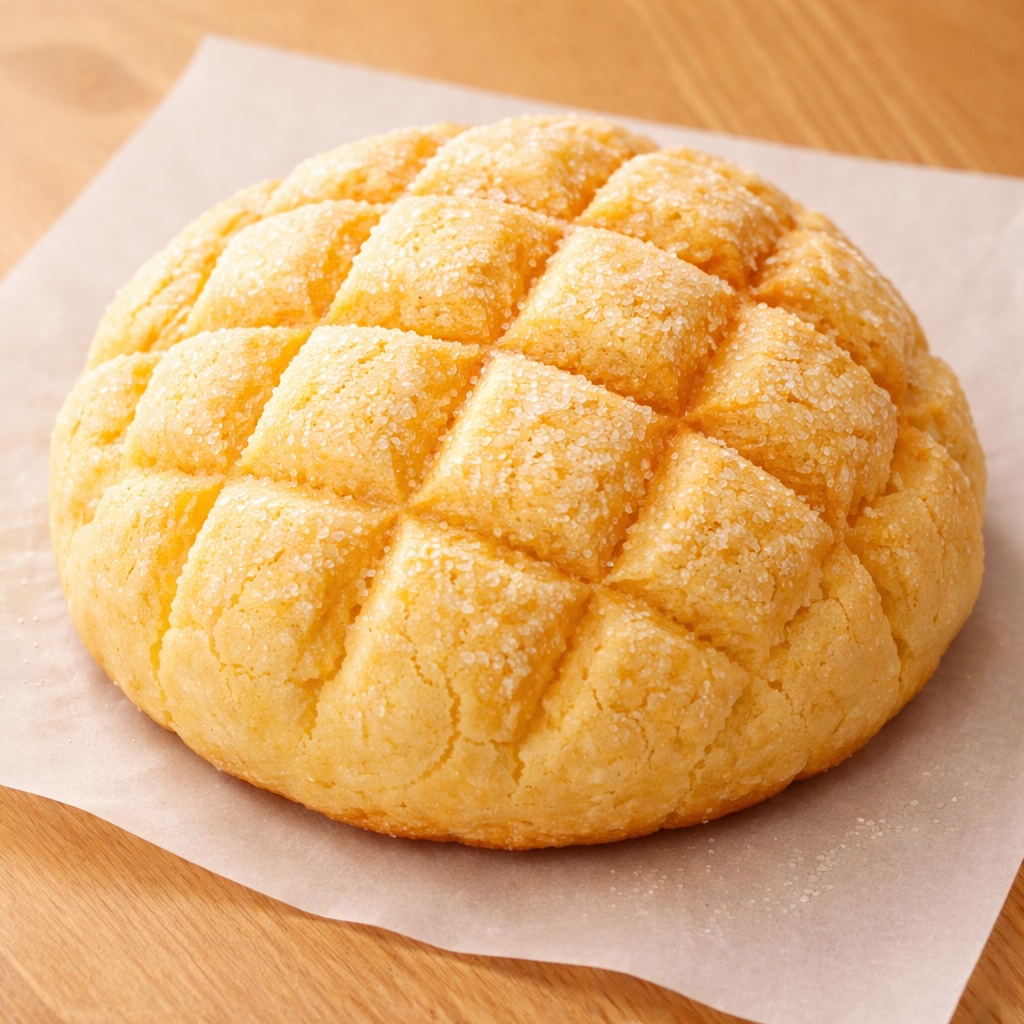
Crispy cookie-like crust, soft inside. Light sweetness.
🍮 Custard Cream Bun
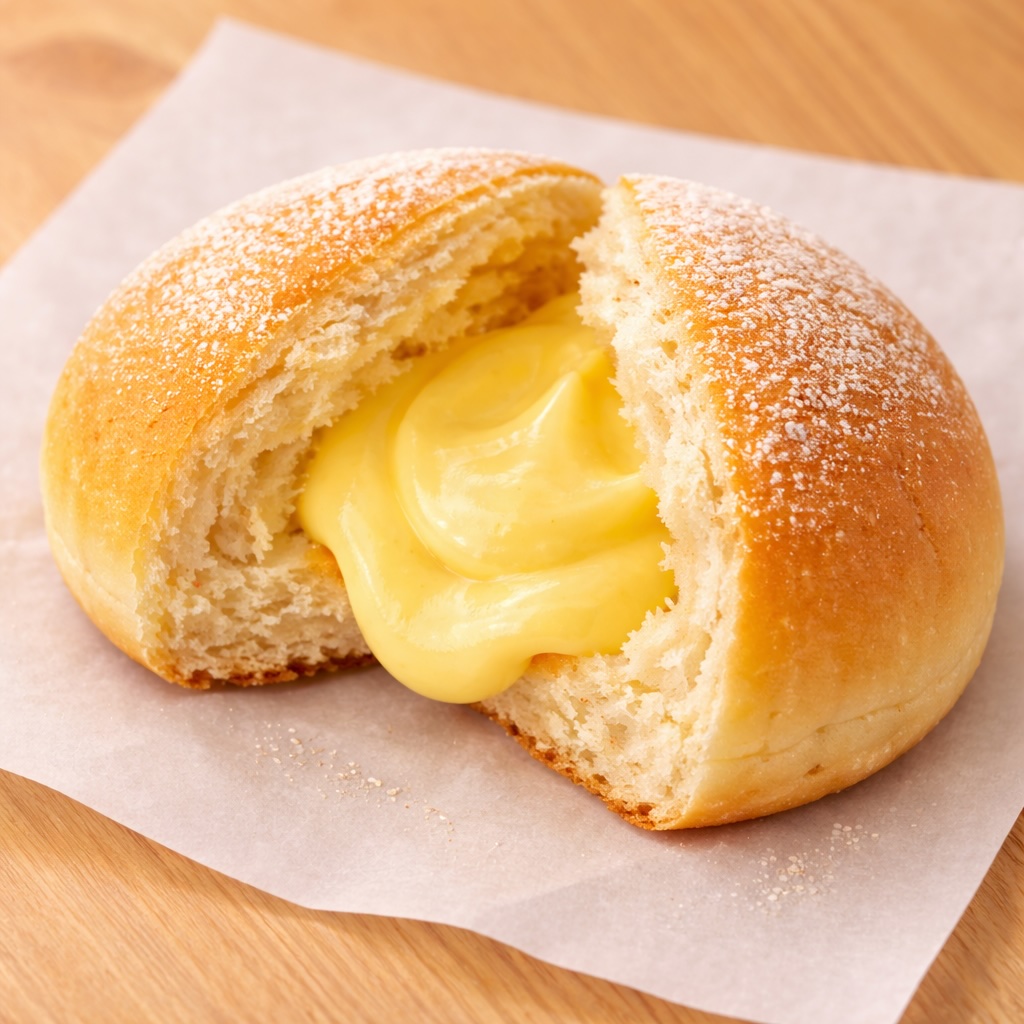
Smooth filling, not overly sweet.
🫘 Anpan
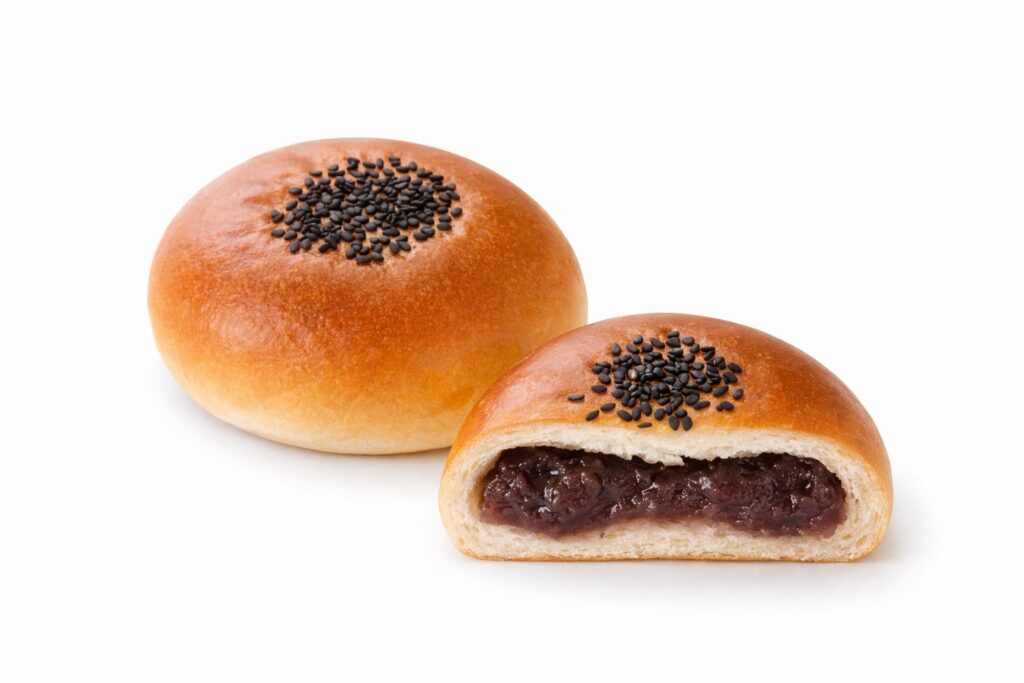
Traditional red bean bun. Simple and nostalgic.
🍛 Curry Bread
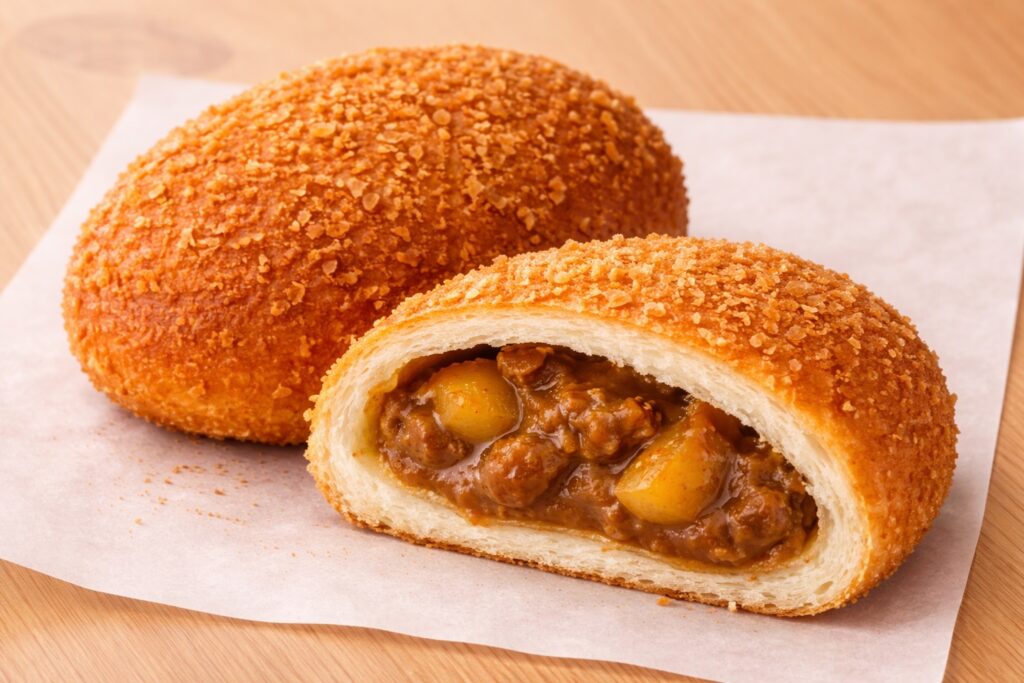
Crispy exterior, savory curry filling.
🌭 Sausage Roll

Filling, dependable, slightly savory.
These are not novelty items.
They are everyday staples.
🥪 How I Personally Use Convenience Store Bread
I buy it when:
- I get home late
- I want a light breakfast
- I don’t feel like cooking
Eating out in Japan is affordable, so convenience bread isn’t my main choice.
But it’s a reliable backup.
And it rarely disappoints.
That consistency is what makes it impressive.
🤔 Is It Better Than a Bakery?
Not always.
But sometimes? Surprisingly close.
What makes it powerful is this combination:
- Reliable taste
- Low price
- Available anytime
That trio is hard to beat.
✈️ When You Visit Japan
Most visitors focus on sushi, ramen, and traditional meals.
But if you want to experience real everyday life in Japan, try this:
Walk into a convenience store.
Go to the bread section.
Pick two or three random items.
It’s one of the cheapest ways to understand how serious Japan is about food quality — even in the most ordinary places.