
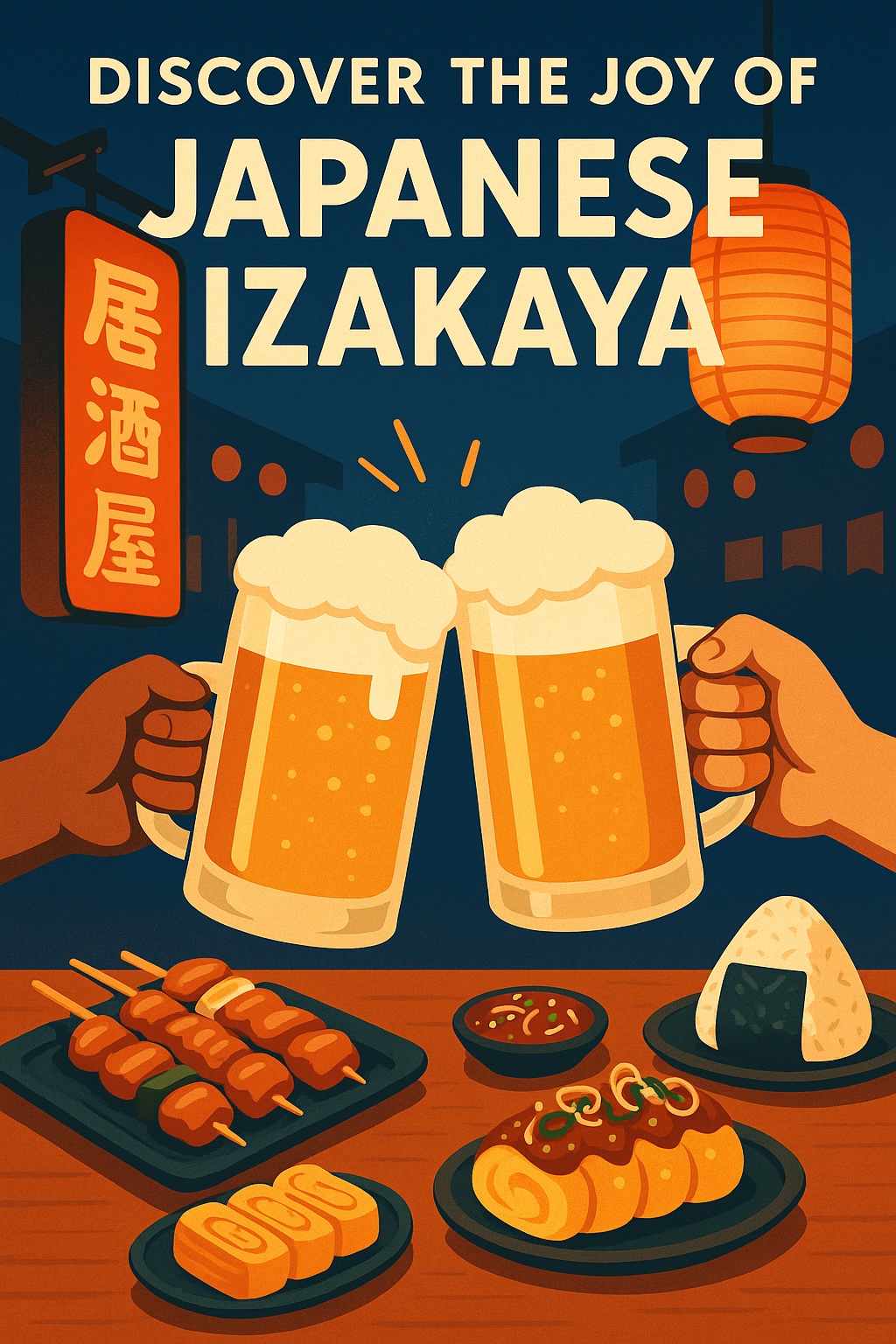
Where Food, Drinks, and Real Conversations Come Together
It’s early evening in Japan.
Office workers loosen their ties.
Friends squeeze into small wooden tables.
The first drinks arrive, and someone raises a glass.
“Kanpai.”
That sound — glasses touching — is the unofficial signal that the day is over.
And that moment is where the izakaya experience truly begins.
What Is an Izakaya, Really?
An izakaya (居酒屋) isn’t exactly a restaurant.
And it isn’t quite a bar either.
It’s where everyday Japan unwinds.
People come here:
- After work with coworkers
- To catch up with old friends
- On casual dates
- Or even alone, sitting quietly at the counter
There’s no strict structure.
You order a few dishes.
You talk.
You stay longer than planned.
That relaxed, slightly unplanned atmosphere is what makes izakaya special.
How Ordering Actually Works
Unlike formal restaurants, izakaya food is meant to be shared.
Nobody studies the menu too seriously.
People just start with something easy.
Usually:
- A drink
- A simple snack
- Then a few familiar favorites
Dishes arrive one by one.
The table slowly fills up.
There’s no “main course.”
Everything is casual.
The Dishes You’ll See on Almost Every Table
These aren’t fancy tourist picks.
These are the dishes locals order without thinking.
🐓 Yakitori (Grilled Chicken Skewers)
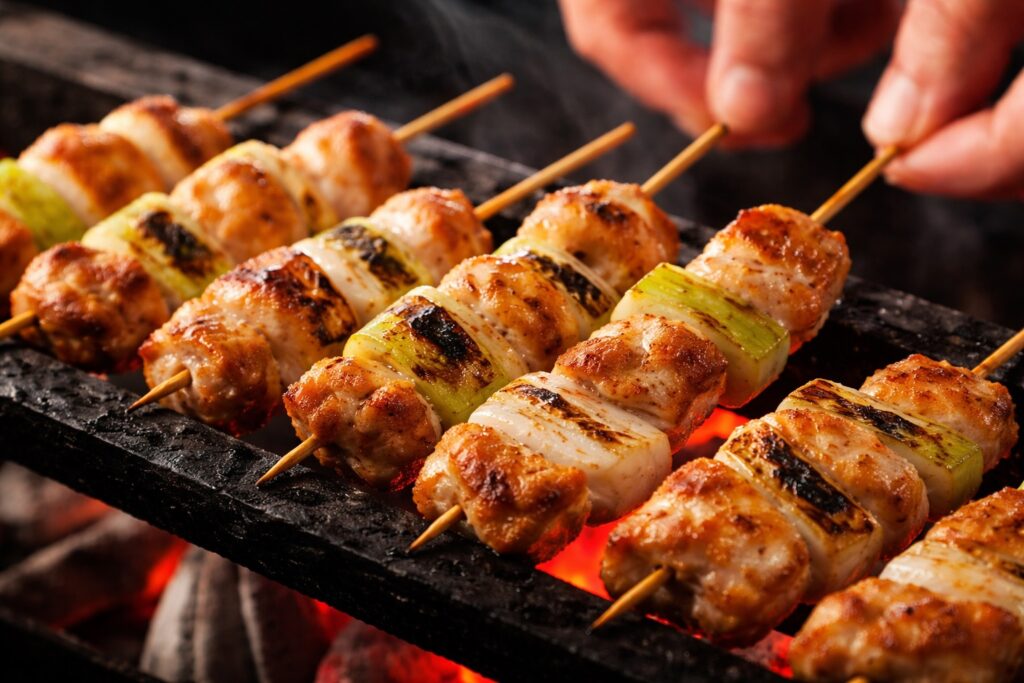
Charcoal-grilled chicken, brushed with sauce or sprinkled with salt.
Crispy edges.
Juicy inside.
Perfect with beer.
Yakitori is rarely ordered just once.
🍳 Dashimaki Tamago (Japanese Rolled Omelet)
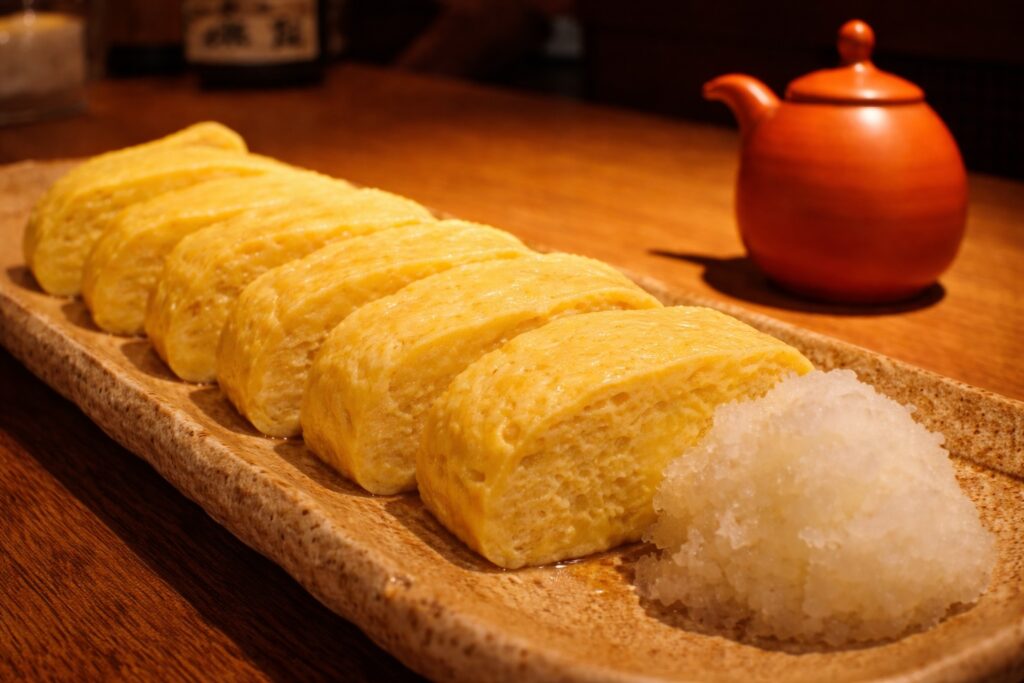
Soft, fluffy, slightly sweet.
Made with dashi stock, it has a gentle umami flavor.
It’s not dramatic — and that’s exactly why it works.
🍤 Tempura
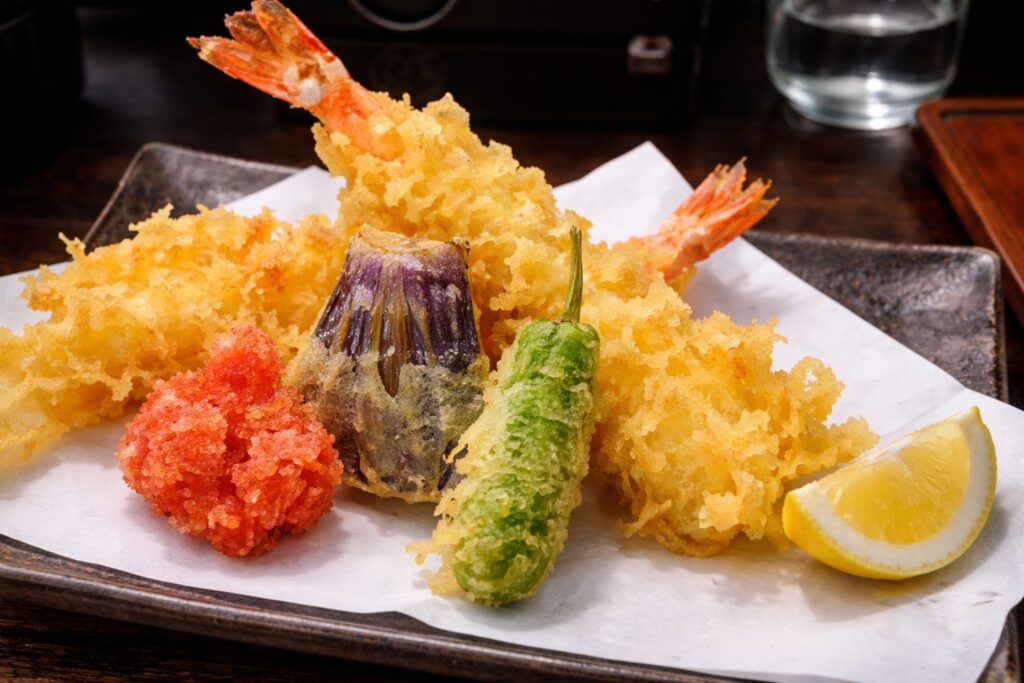
Shrimp and seasonal vegetables in a thin, crisp batter.
Light.
Crunchy.
Never heavy.
Tempura balances the table when there are richer dishes around.
🥔 Japanese Potato Salad
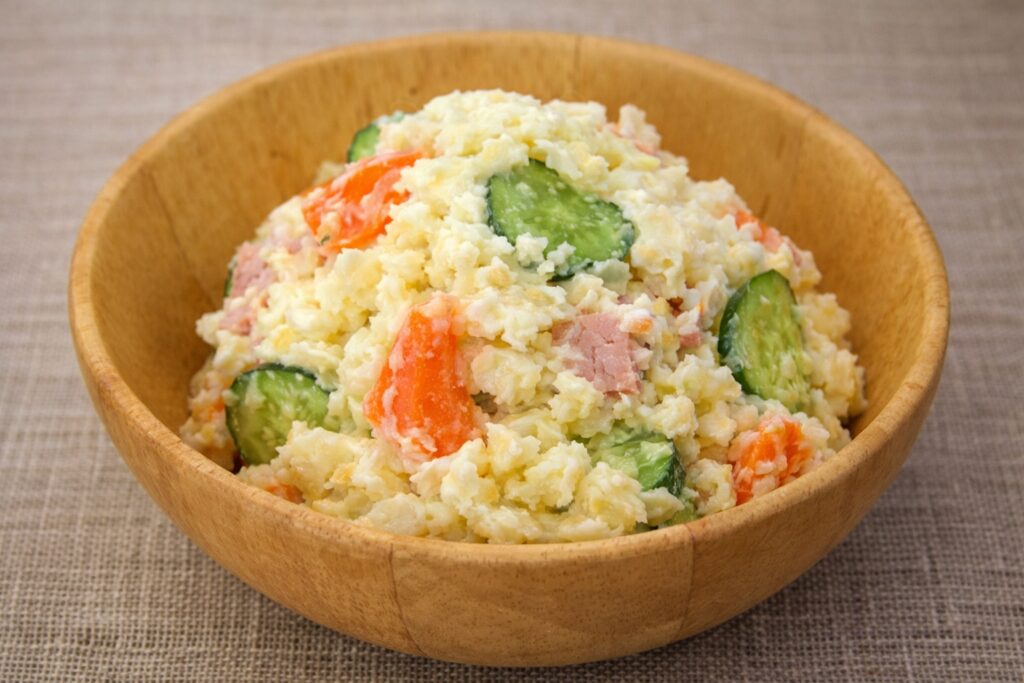
Creamier and softer than Western versions.
Mixed with mayo, dashi, and finely chopped vegetables.
It looks simple.
It disappears fast.
🐙 Tako Wasabi (Octopus with Wasabi)
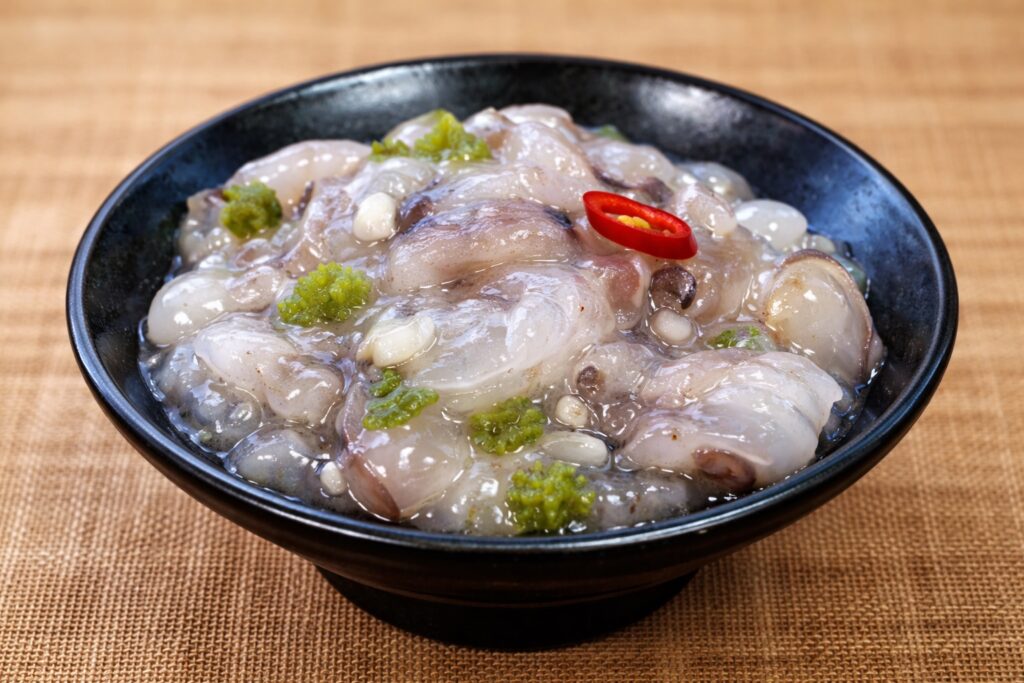
Small pieces of raw octopus mixed with wasabi.
Sharp.
Chewy.
Refreshing.
Often ordered quietly by someone drinking sake.
🍙 Onigiri (Rice Balls)
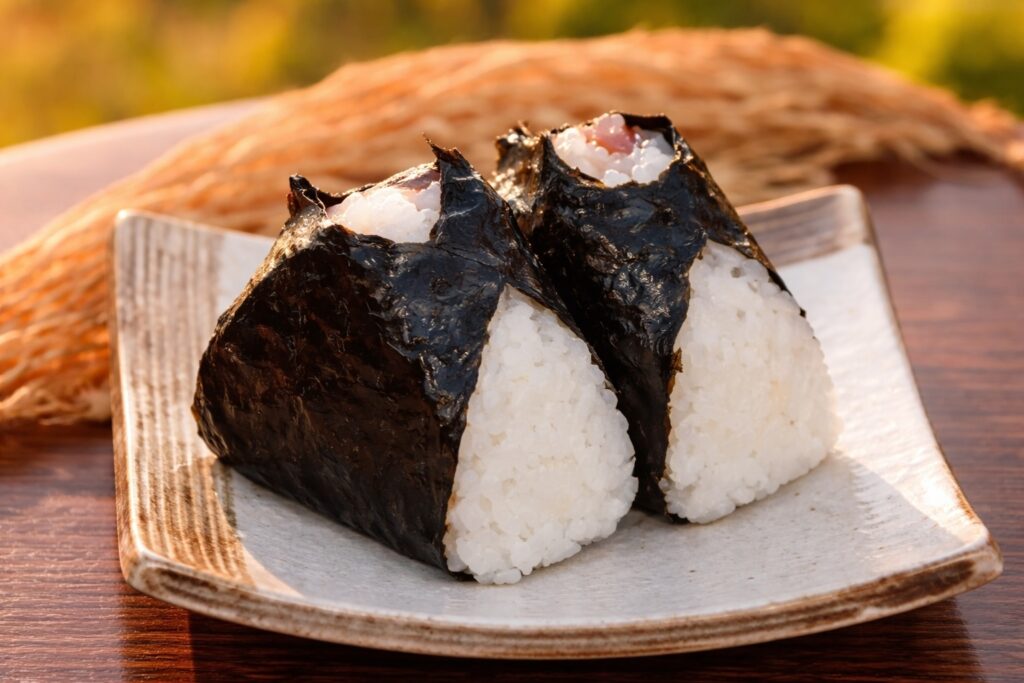
Usually ordered near the end of the night.
Warm rice with simple fillings like salmon or pickled plum.
It signals the evening is winding down.
Every Izakaya Has Its Own Personality
Some izakaya are modern and stylish.
Others are tiny, smoky, and covered in handwritten menus.
Some feel energetic.
Some feel nostalgic.
But they all share one thing:
Comfort.
There’s no dress code.
No complicated rules.
Just show up and be part of the room.
Do You Have to Drink Alcohol?
No.
This surprises many visitors.
Modern izakaya culture is relaxed.
You’ll find:
- Soft drinks
- Non-alcoholic beer
- Tea
- Mocktails
No one pressures you.
The experience is about connection — not alcohol.
Why Izakaya Matter in Everyday Japan
Izakaya are not luxury dining.
They are:
- Affordable
- Accessible
- Familiar
- Social
They reflect something deeply Japanese:
The idea that unwinding together matters.
Work can be serious.
Life can be structured.
But at an izakaya, things soften.
And that balance is important.
If You Visit Japan…
Skip the fancy reservations one night.
Walk into a small neighborhood izakaya.
Order a drink.
Pick two or three simple dishes.
Stay longer than you expected.
That’s when you’ll feel it.
Not the tourist version of Japan.
But the everyday one.
Kanpai. 🍶🇯🇵