
As someone who has studied Japanese martial traditions and spent years learning about historical sword schools from local sources, I can explain the unique characteristics of Jigen-ryu based on firsthand knowledge.
If you read Japanese manga or watch anime, you’ve probably seen sword styles with names like “-ryu” or “-style.”
In real history, Japan had hundreds of actual sword schools, each with its own techniques and philosophy.
Among them, one style stood out for its shocking simplicity and raw power:
Jigen-ryu, a fierce sword school rooted in Kagoshima, in southern Japan, and widely known during the late 19th century around the time of the Meiji Restoration.
Simple but Fierce: The “Dragonfly Stance”
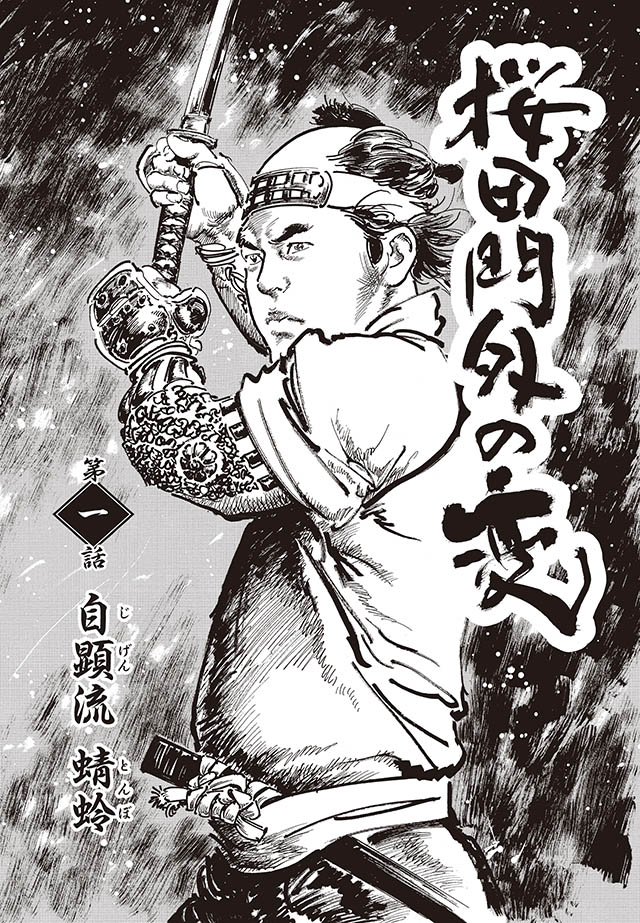
Jigen-ryu is surprisingly simple.
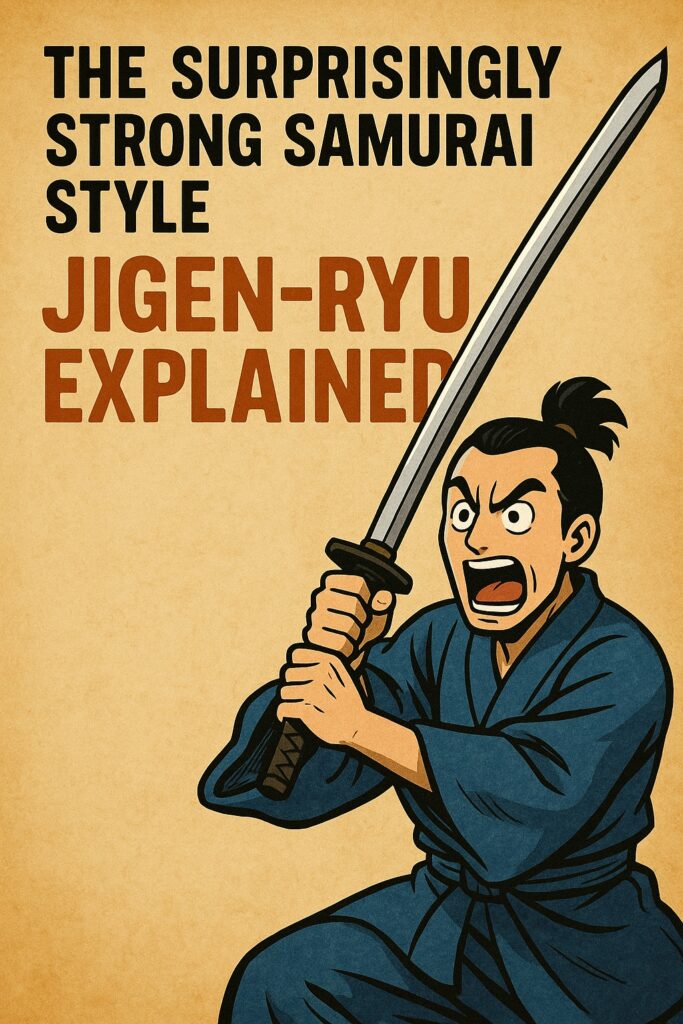
Its signature posture is often described as the Dragonfly stance, where the sword is raised high above the head.
The idea is straightforward:
- Raise the sword overhead
- Charge straight toward the opponent
- Strike downward with full force
That’s it.
Unlike the flashy multi-move styles often seen in anime, Jigen-ryu focuses on one decisive attack.
Because of this philosophy, it earned the nickname:
“No need for a second strike.”
One Strike, Everything on the Line
Jigen-ryu places absolute faith in the first attack.
There are no elaborate feints, no extended exchanges, and no backup plans.
Everything is committed to a single, overwhelming blow.
This makes the style extremely risky — but also terrifyingly effective.
If You Watch Anime: Think Zenitsu, But Vertical
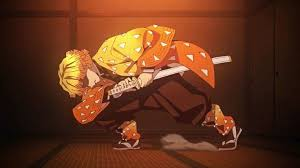
For anime fans, a useful comparison is Zenitsu’s Thunderclap and Flash from Demon Slayer.
Imagine that explosive, all-or-nothing speed —
but instead of a horizontal slash, it comes straight down from above.
That’s the feeling of Jigen-ryu.
Speed, commitment, and total focus on one perfect moment.
The Battle Cry Was Part of the Weapon
One of the most intimidating features of Jigen-ryu was the battle cry.
Historical records describe practitioners charging forward while shouting at full volume.
Imagine facing:
- A swordsman sprinting directly at you
- Eyes locked on you
- Screaming loudly
- Sword raised high overhead
Before the blade even lands, the psychological pressure alone could break an opponent’s resolve.
Fear was not a side effect — it was part of the technique.
Training Was Brutally Simple
Training in Jigen-ryu was almost entirely focused on repetition.
Practitioners would:
- Swing the sword downward
- Strike wooden posts
- Repeat the same motion thousands of times
The goal was to engrain one movement so deeply that it could be executed without hesitation.
Simple, relentless, and extremely practical.
A Personal Impression from Modern Japan
From a modern perspective in Japan, Jigen-ryu feels almost shocking in its mindset.
Many traditional arts emphasize balance, defense, or elegant exchanges.
Jigen-ryu feels different.
It is aggressive, direct, and unapologetically all-in.
Learning about this style makes it easier to understand why warriors from Kagoshima developed a reputation for fearlessness during the Meiji period.
This was not a style designed for sport or display — it was built for real combat.
Why Jigen-ryu Became Famous
Kagoshima was a major political and military power during the Meiji Restoration.
Many influential warriors from this region had trained in Jigen-ryu.
As a result, the style gained a reputation as:
- Brutally effective
- Psychologically overwhelming
- Perfect for decisive, real-world encounters
In Conclusion: One Technique, Immense Power
Jigen-ryu is built on three core principles:
- Extreme simplicity
- Total commitment
- One decisive strike
It may lack the flashy variety seen in fiction,
but in real combat, its intensity and focus made it one of the most frightening sword styles in Japanese history.
Sometimes, one strike really is enough.
In Samurai Times, “Revenge” Was Actually Legal in Some Regions
Having studied Japanese history and grown up hearing traditional stories and values from elders and…
The Surprisingly Strong Samurai Style: Jigen-ryu Explained
As someone who has studied Japanese martial traditions and spent years learning about historical sword…
“When Did Samurai Swords Actually Shine? The Real History Behind Japan’s Iconic Weapon”
Having lived in Japan and read extensively about samurai history, I’ve often reflected on how…
What’s Stronger Than a Samurai Sword? The Surprisingly Powerful Weapon You Never See in Anime
As someone familiar with Japanese history and cultural storytelling, I’ve learned through books, museums, and…
Do Samurai Still Exist in Japan? The Surprising Truth Explained!
As someone who has lived in Japan for over 46 years and grown up hearing…