
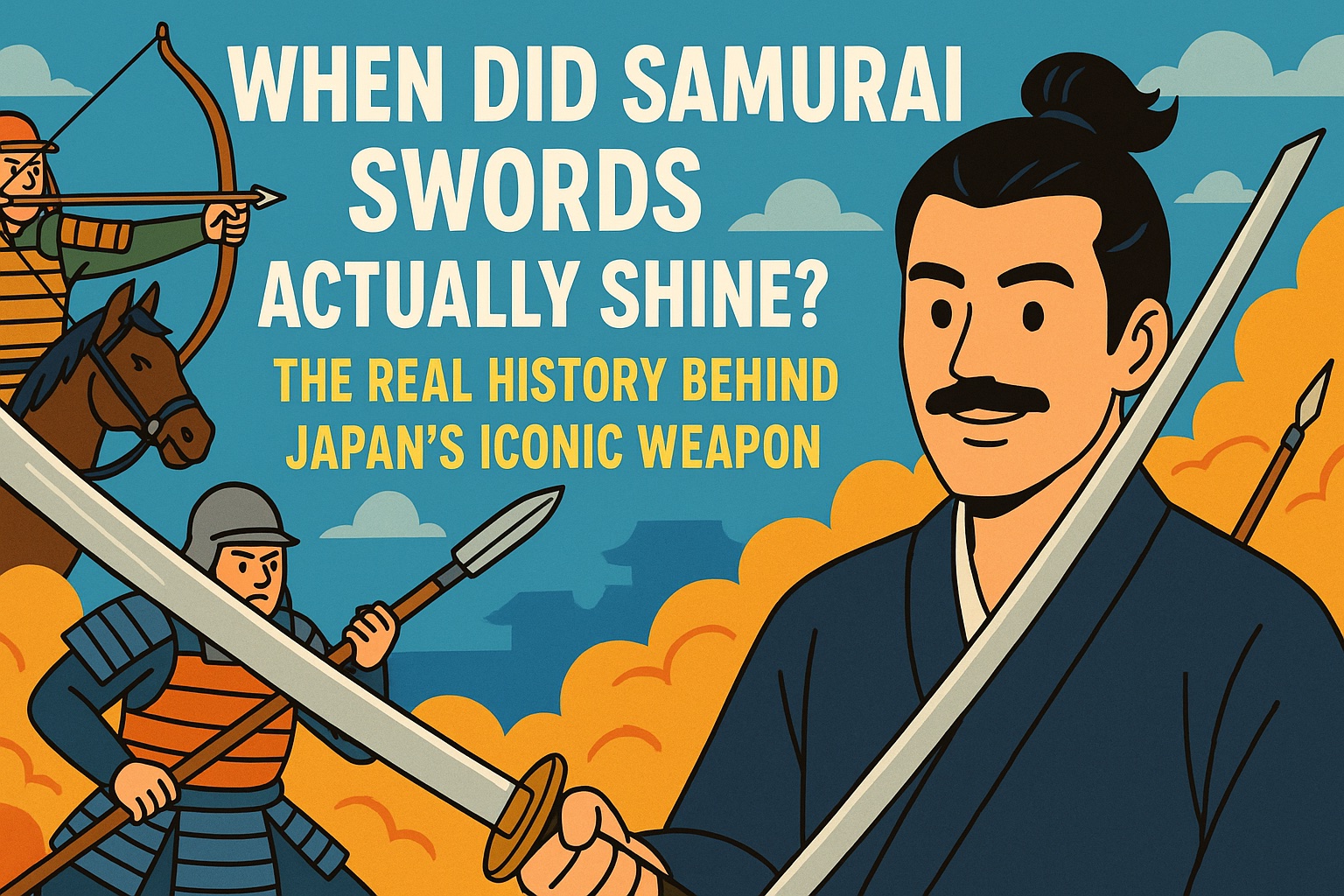
Having lived in Japan and read extensively about samurai history, I’ve often reflected on how the role of the sword evolved — and this perspective comes from both study and local historical insight.
If you watch Japanese samurai movies or anime, it often feels like the sword was the ultimate weapon that dominated every battle.
But historically, Japan was not always a sword-centered battlefield culture.
For many centuries, the real stars of warfare were actually spears and bows, not swords.
If you’re interested in that side of history, this related article explains in detail why spears were often more effective than swords in real combat:
👉 Why the Spear Was Stronger Than the Sword in Samurai Times
In this article, let’s focus on a different question:
When did Japanese swords finally step into the spotlight — and why did it happen much later than most people think?
When Did Japanese Swordsmanship Begin?
Japanese swordsmanship, known as kenjutsu, began to take shape as a formal martial discipline around the late Muromachi period (14th–16th century).
During this time, many sword schools began to appear, each developing its own techniques, strategies, and philosophies.
However, this does not mean that swords suddenly became the main battlefield weapon.
Training existed — dominance did not.
Before Swords: Spears and Bows Ruled the Battlefield
During the Sengoku period (1467–1573), Japan experienced constant large-scale warfare.
In these chaotic, army-versus-army battles, practicality mattered far more than elegance.
The most effective weapons were:
- Spears (yari) Long reach, powerful formations, and easy to train large numbers of soldiers.
- Bows (yumi) Essential for long-distance combat and battlefield control.
- Matchlock guns (later) Powerful but slow, noisy, and difficult to reload.
In this environment, swords were usually:
- Backup weapons
- Symbols of status
- Tools for emergency close combat only
In short, swords looked impressive — but they were not the main weapons of war.
(Again, the spear-focused article above explains this in more depth.)
The Irony: Swords Became Central During Peace
Here’s the historical twist many people find surprising:
The sword became culturally important during peace, not war.
During the Edo period (1603–1868), Japan entered a long era of stability with almost no large-scale battles.
With no wars to fight, samurai life shifted toward:
- Martial arts training
- Personal discipline
- Philosophy and ethics
- Cultural refinement
Swordsmanship schools flourished, not because swords were needed on battlefields, but because they became symbols of identity, self-control, and social status.
The sword transformed from a weapon into a cultural icon.
When Swords Finally Saw Real Combat: The Meiji Restoration
Ironically, the time when swords were actually used most often in real combat came very late, around the Meiji Restoration (circa 1868).
This was the turbulent end of the samurai era, marked by political chaos rather than massive wars.
Conflicts during this time involved:
- Assassinations
- Street fights
- Small-scale skirmishes
- Arrests and surprise attacks
Groups like the Shinsengumi and various pro- and anti-government samurai factions clashed in:
- Narrow streets
- Buildings
- Alleyways
These environments favored close-range weapons, not battlefield formations.
Why Swords, Not Spears or Guns?
The choice of weapon wasn’t about romance or tradition.
It was about practicality.
Spears Were Too Large
You can’t discreetly carry a 3–4 meter spear through a city.
Guns Were Impractical
Early firearms were bulky, slow to reload, loud, and impossible to conceal.
Swords Were Socially Invisible
By this time, samurai wore swords as part of everyday life.
Carrying a sword attracted no attention at all.
So for arrests, ambushes, or sudden violence, the sword was simply the most realistic tool available.
Summary: When the Sword Truly Shined
- Swordsmanship began developing in the 14th–16th centuries
- Spears and bows dominated warfare for centuries
- Swords became culturally important during the peaceful Edo period
- Real sword combat peaked during the Meiji Restoration
- Swords worked because they were portable, effective, and socially acceptable
The truth is simple:
Samurai did not always rely on swords.
But when Japan entered its final samurai chapter, the sword finally had its moment to shine.
In Samurai Times, “Revenge” Was Actually Legal in Some Regions
Having studied Japanese history and grown up hearing traditional stories and values from elders and…
The Surprisingly Strong Samurai Style: Jigen-ryu Explained
As someone who has studied Japanese martial traditions and spent years learning about historical sword…
“When Did Samurai Swords Actually Shine? The Real History Behind Japan’s Iconic Weapon”
Having lived in Japan and read extensively about samurai history, I’ve often reflected on how…
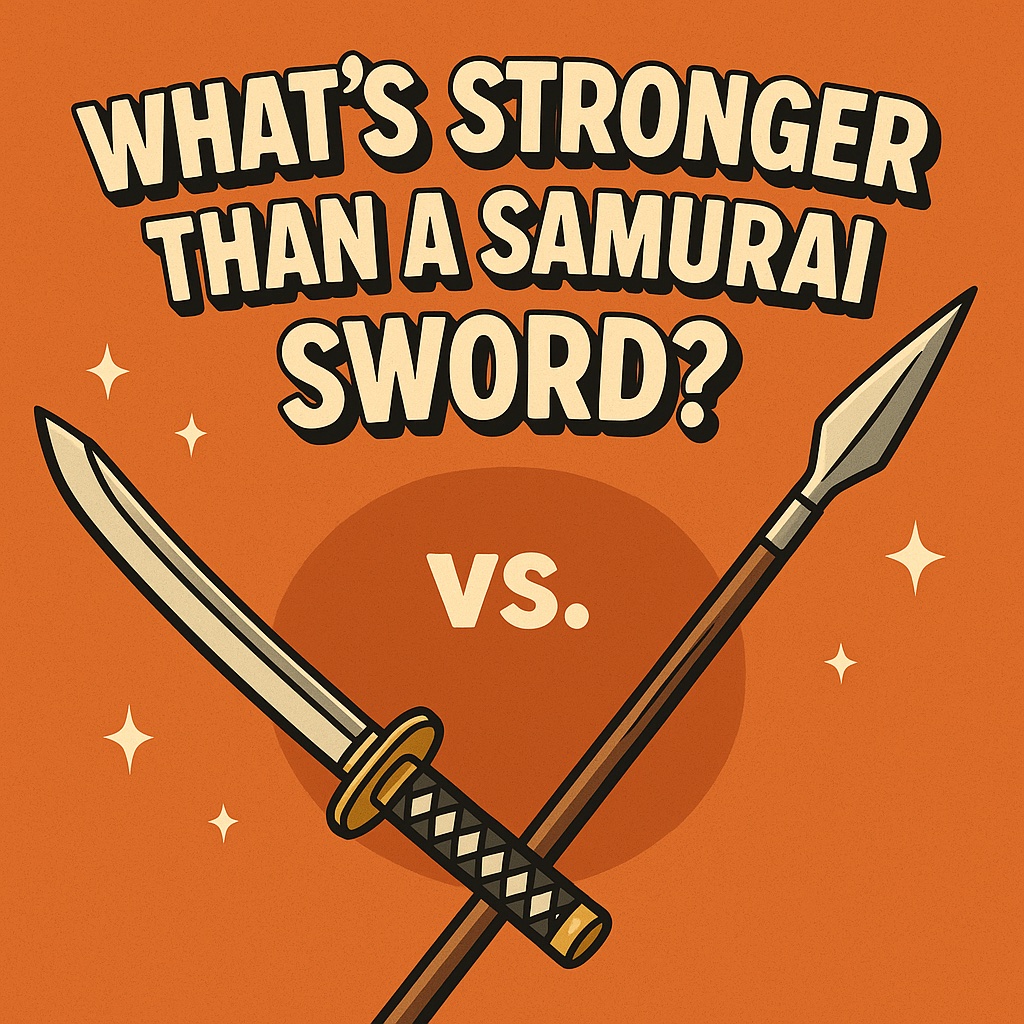
What’s Stronger Than a Samurai Sword? The Surprisingly Powerful Weapon You Never See in Anime
As someone familiar with Japanese history and cultural storytelling, I’ve learned through books, museums, and…
Do Samurai Still Exist in Japan? The Surprising Truth Explained!
As someone who has lived in Japan for over 46 years and grown up hearing…