
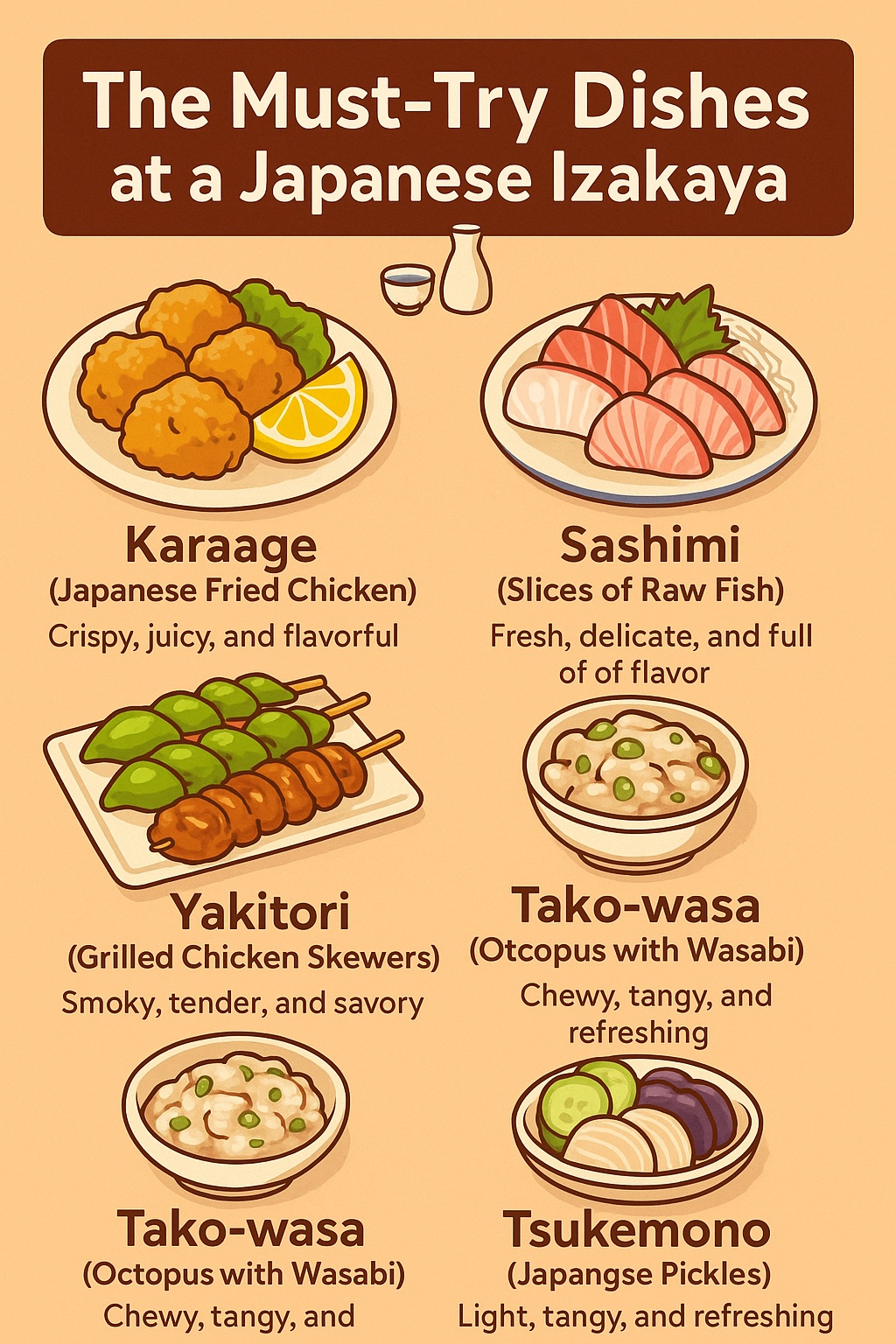
What Locals Actually Order Without Thinking
It’s 7:30 p.m. on a weekday.
You step into a small neighborhood izakaya.
Jackets come off.
Drinks arrive quickly.
Conversations start before the menu is even fully opened.
And somehow — food is already on the table.
No one studies the menu for long.
Orders happen almost automatically.
That’s how izakaya culture works in Japan.
🏮 Izakayas Are About Comfort, Not Creativity
An izakaya isn’t about choosing something impressive.
It’s about choosing something reliable.
- Easy to share
- Good with alcohol
- Familiar to everyone
- Ready quickly
After years of eating at izakayas with friends and coworkers, I’ve noticed something:
The same dishes appear again and again.
Not because they’re trendy.
Not because they’re expensive.
But because they always work.
Here are the dishes you’ll see on tables across Japan almost every night.
🍗 1. Karaage (Japanese Fried Chicken)
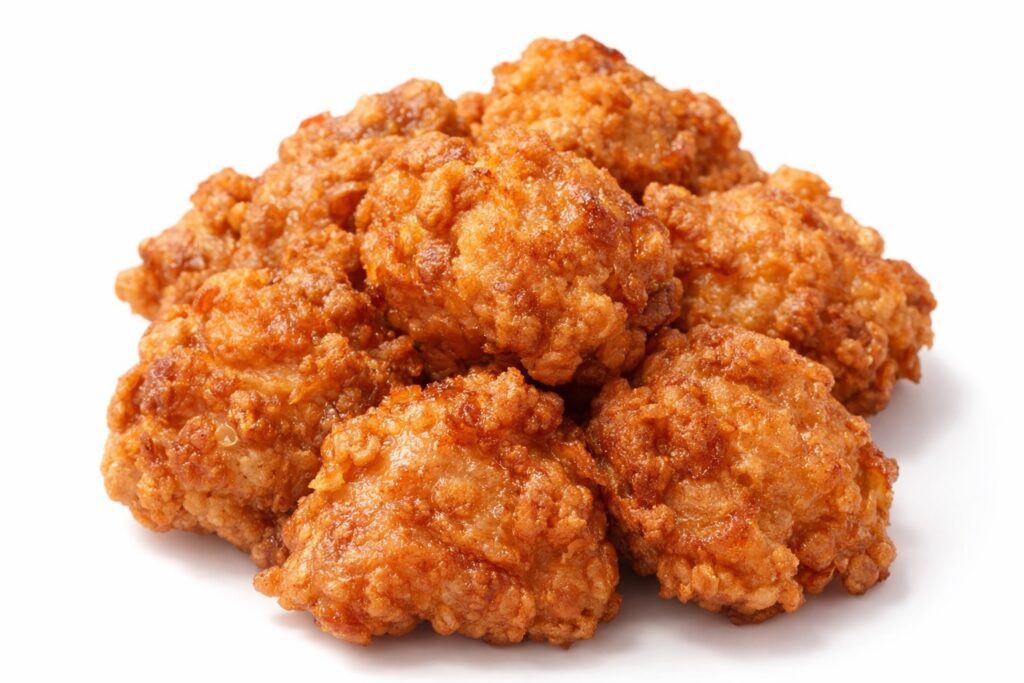
If there’s one universal favorite, it’s karaage.
Chicken pieces marinated in soy sauce, garlic, and ginger, then fried until golden and crisp.
Crispy outside.
Juicy inside.
Salty enough to pair perfectly with beer.
When someone says,
“What should we start with?”
Karaage is usually the first answer.
It’s the safe choice — and nobody complains.
🌱 2. Edamame (Boiled Soybeans)
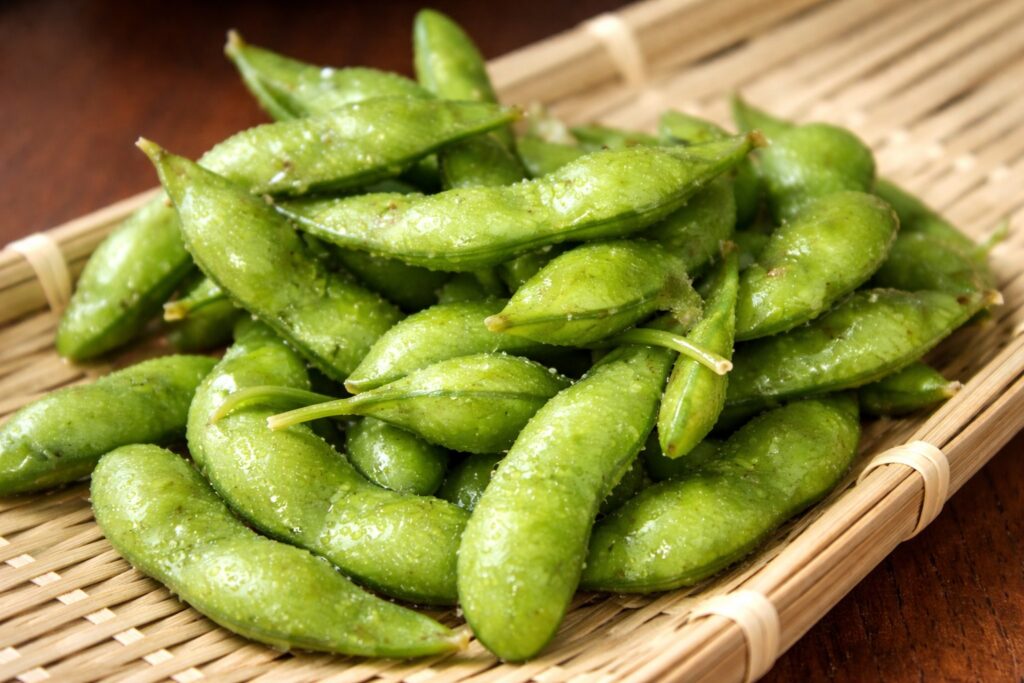
Edamame is almost automatic.
Salted soybeans served warm.
They arrive fast, require no utensils, and keep everyone busy while deciding the next order.
In Japan, it’s common to hear:
“Let’s just start with edamame.”
It’s not exciting.
That’s exactly why it works.
🐟 3. Sashimi (Raw Fish)
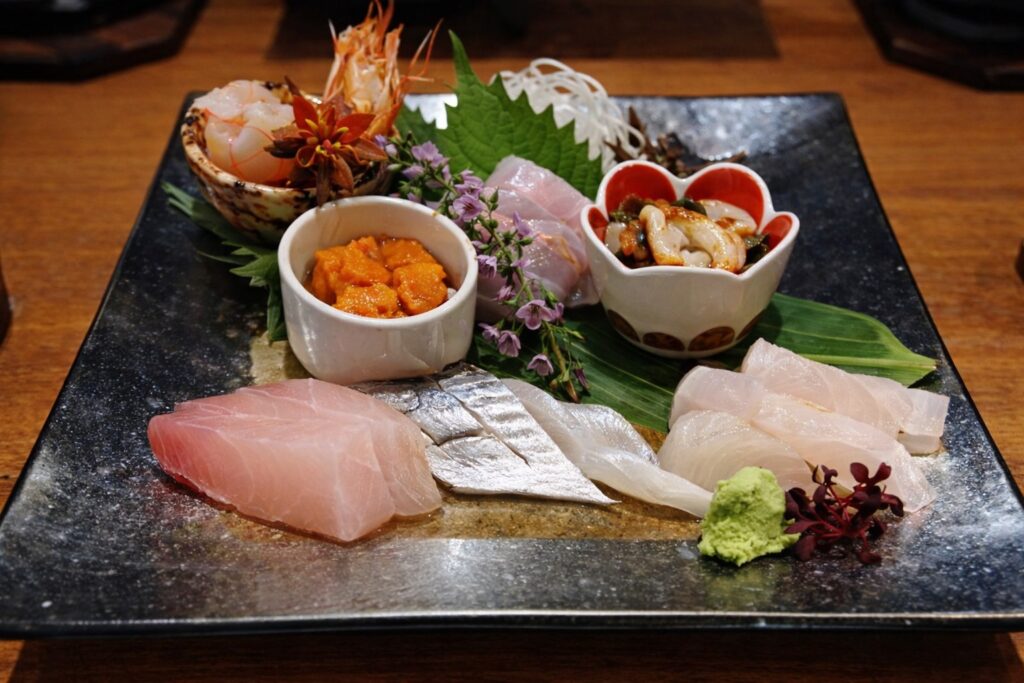
If the izakaya is known for good seafood, sashimi will appear.
Not necessarily as the first order — but early.
Slices of tuna, salmon, or yellowtail.
Simple.
Clean.
Balanced.
After fried food and beer, sashimi resets your palate.
It also pairs especially well with sake.
When sashimi hits the table, the mood slows down slightly.
People pay attention.
🔥 4. Yakitori (Grilled Chicken Skewers)
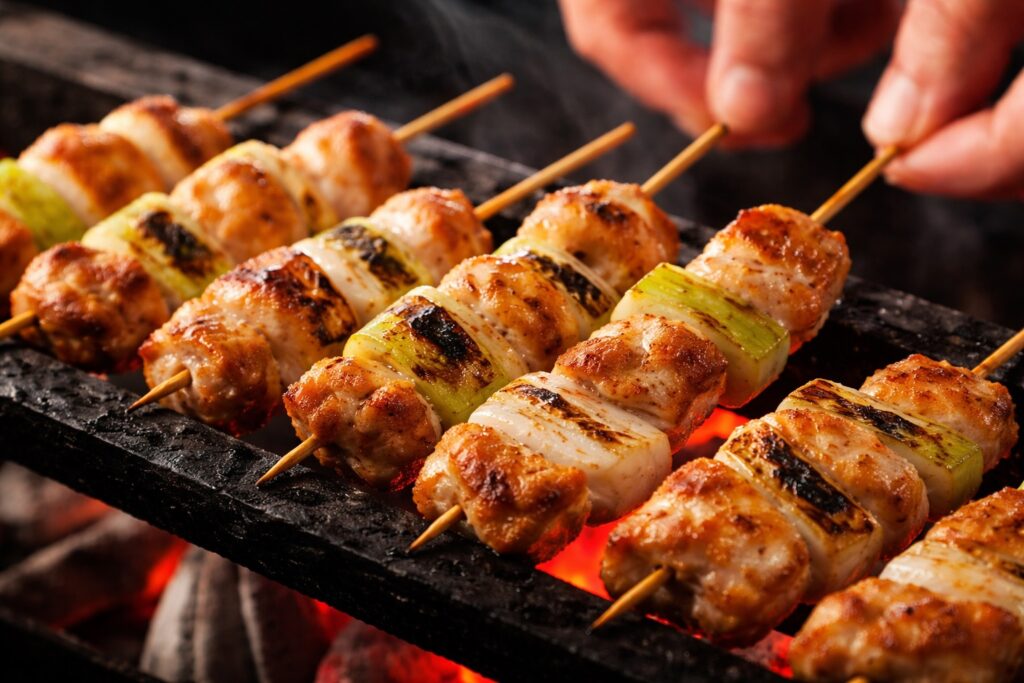
Yakitori is impossible to ignore.
The smell of charcoal spreads through the room.
Skewers arrive one by one:
- Chicken thigh
- Negima (chicken + green onion)
- Tsukune (meatballs)
- Liver
Seasoned with salt (shio) or sweet soy glaze (tare).
At some point, someone always says:
“Let’s get a few more.”
Yakitori isn’t just food.
It’s rhythm.
🐙 5. Tako-wasa (Octopus with Wasabi)
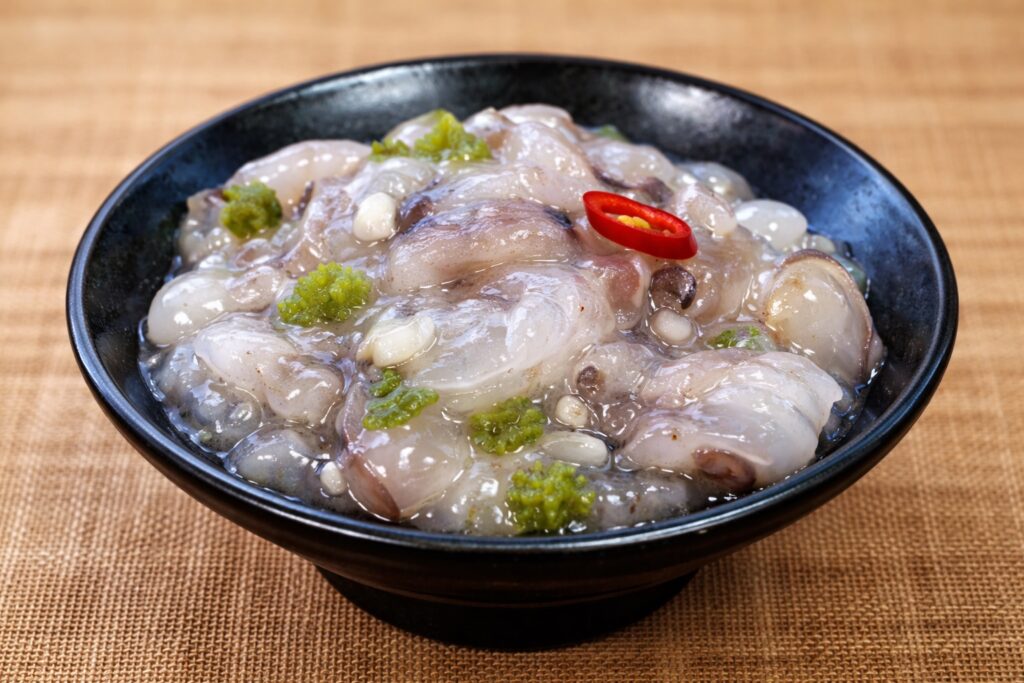
This one separates casual drinkers from serious ones.
Small cubes of raw octopus mixed with wasabi.
Sharp. Chewy. Bold.
Not everyone orders it.
But someone at the table usually does.
It pairs beautifully with sake.
It’s subtle.
Very Japanese.
🥒 6. Tsukemono (Japanese Pickles)
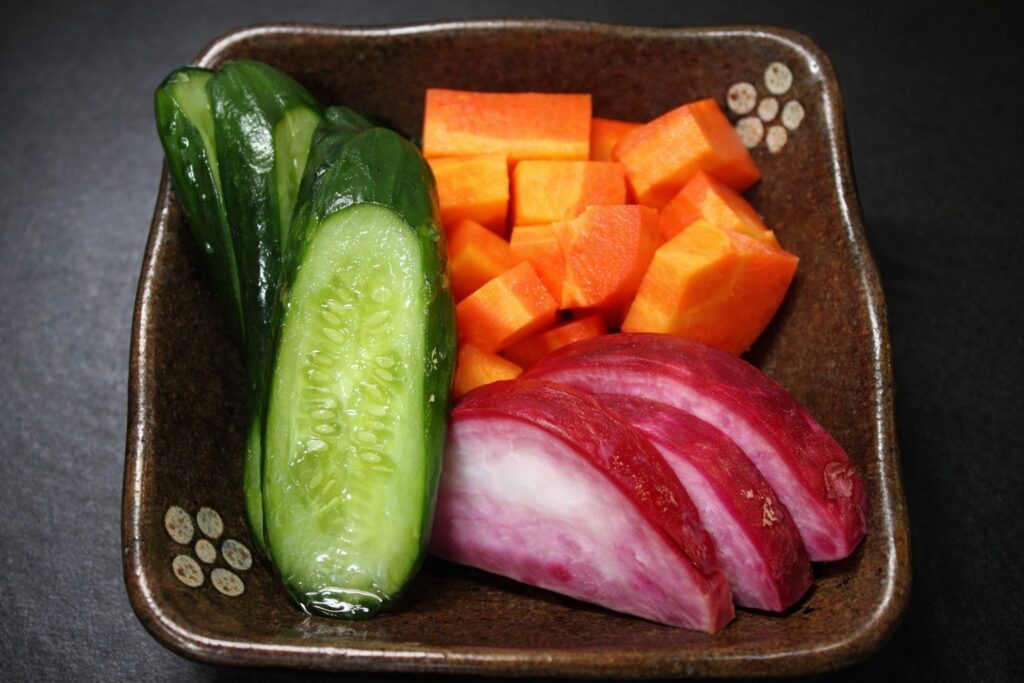
Pickles don’t get attention — until they’re gone.
Cucumber. Daikon. Eggplant.
They cleanse the palate between bites of fried or grilled food.
Older generations especially appreciate them.
But once ordered, everyone keeps reaching for them.
They quietly stabilize the table.
🍻 What This Tells You About Izakaya Culture
None of these dishes are rare.
None are luxurious.
That’s the point.
Izakayas are about:
- Familiarity
- Shared plates
- Comfort
- Flow
Food isn’t the main event.
Conversation is.
The dishes simply support it.
🧭 If You Want to Blend In
If you visit Japan and walk into an izakaya:
Order a mix of:
- Karaage
- Edamame
- Yakitori
- Maybe sashimi
You won’t look like a tourist trying too hard.
You’ll look like someone who understands how izakayas work.
Grab a drink.
Relax.
Order in small waves.
That’s the real experience.
🍽 Coming Next
Comfort Foods You’ll See at Every Izakaya
Yakisoba.
Dashimaki tamago.
Japanese potato salad.
The quiet dishes that never disappear.